

Business rubbish clearance Brompton Road stores and offices
Posted on 27/08/2026
If you run a shop, gallery, salon, clinic, showroom, or office near Brompton Road, rubbish has a way of building up quietly. One day it is a few cardboard boxes and old packaging; the next it is broken fixtures, redundant furniture, archived paper, and the sort of mixed business waste that gets in the way of staff, customers, and a decent first impression. Business rubbish clearance Brompton Road stores and offices is really about keeping that busy stretch professional, safe, and workable without turning your working day upside down.
In a place like Brompton Road, where presentation matters and access can be awkward, a proper clearance plan saves time, stress, and those awkward "we'll deal with it later" moments that tend to become expensive later. This guide walks through how the service works, who needs it, what to expect, and how to get it right first time. If you are also comparing related local support, it can help to scan the broader services overview alongside this article.
Below, you will find practical advice rather than fluff. No grand claims. Just a clear look at what store and office managers usually need to know, plus a few things people often overlook until a loading bay is blocked or the landlord wants the unit handed back clean. Let's face it, nobody wants a tidy-up to become a mini crisis.
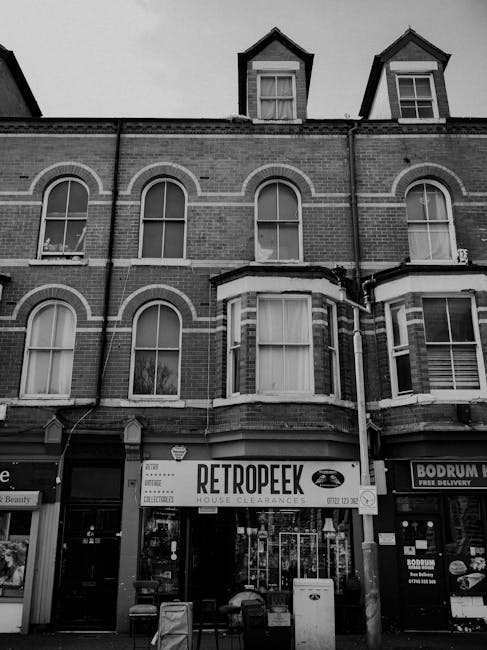
Why Business rubbish clearance Brompton Road stores and offices Matters
Commercial spaces on Brompton Road have a different rhythm from domestic properties. Customers come and go, deliveries arrive at awkward times, and staff often need every square metre to count. Rubbish in that setting is not just "mess"; it affects trading, safety, and the feel of the premises. A shopfront piled with packaging or a corridor cluttered with old desks does not exactly say "well-run business".
For stores, the issue is often visual and operational at the same time. Empty display units, damaged shelving, and excess stock packaging can make a retail floor feel cramped and tired. For offices, the pain points are usually different: redundant chairs, filing cabinets, cable waste, paper archives, and the slow takeover of storage rooms by things nobody quite owns anymore. Sound familiar?
There is also the local reality of Brompton Road. It is a place where access can be constrained by traffic, timings, neighbours, and shared building rules. A clearance that is planned properly helps avoid dragging items through customer areas during opening hours or leaving waste where it should not be. That matters if you are trying to protect reputation, keep staff happy, and avoid turning a simple clean-out into a complaint from the unit next door.
For businesses working around relocation, rebranding, or fit-out work, rubbish clearance is part of the project, not an afterthought. It creates space for decision-making. You can only judge what stays, what goes, and what needs replacing when the old clutter is actually gone.
Practical summary: the best commercial clearance is the one that makes the space safer, easier to trade from, and easier to hand over, while causing the least disruption to customers and staff.
How Business rubbish clearance Brompton Road stores and offices Works
Most business rubbish clearance jobs follow a simple pattern, even if the premises themselves are anything but simple. The process usually starts with a review of what needs removing, followed by access planning, removal, sorting, transport, and then disposal or recycling. In practice, the smoother jobs are the ones where the business has already separated what can stay from what needs to go. It sounds obvious. It often isn't done.
Typical clearance stages
- Initial assessment: You identify the type and volume of waste, the building access, and any items requiring special handling.
- Scheduling: The clearance is booked to suit trading hours, building rules, or quieter periods of the day.
- On-site removal: Items are taken out carefully, often in stages to avoid blocking the premises.
- Sorting: Waste is separated where possible for reuse, recycling, or disposal.
- Final sweep: The area is left clear enough for normal use, fit-out work, or a landlord inspection.
That is the ideal flow. Real life can be a bit more lumpy. A store might discover a stockroom full of damaged packaging halfway through the job. An office might need extra time for confidential paperwork. A boutique might realise that a mirror or display cabinet has to come out in pieces. Good planning gives you room for those surprises.
For offices, a dedicated office clearance in Brompton approach can be especially useful when you are dealing with desks, screens, chairs, and old storage units at the same time. For retailers, especially those with awkward stockrooms or narrow access, the removal plan needs to be more careful than a straightforward household tidy-up.
If your job includes worn furniture, broken shelving, or shop display units, the service may overlap with furniture disposal in Brompton. And when the waste is mixed, the safest route is usually a broader waste clearance Brompton service rather than trying to parcel everything into separate small jobs.
Key Benefits and Practical Advantages
The most obvious benefit is space. A clear back office, stockroom, or sales floor gives you room to work properly. But that is only the start. Business rubbish clearance also supports compliance, safety, customer experience, and planning. Not glamorous, maybe, but very real.
- Better use of space: Old desks, redundant retail fixtures, and accumulated packaging stop taking up valuable floor area.
- Improved appearance: A clean commercial environment gives a stronger impression to visitors, clients, and auditors.
- Lower trip and fire risks: Overfilled corridors, stacked waste, and loose materials can create hazards.
- Less internal friction: Teams work better when storage areas and walkways are not clogged.
- Faster turnover or refit: If you are changing layout, moving out, or refurbishing, the project starts cleaner and usually finishes faster.
- Better recycling outcomes: A proper sort can keep usable materials away from general waste, which is better for the business and the environment.
There is also a softer advantage that gets ignored: morale. Staff notice when a workplace is organised. Customers notice too, even if they do not mention it. A cluttered office often feels like a place where nothing is fully under control. Harsh, but true.
In some cases, commercial clearance also supports a wider property strategy. If you are planning a refurbishment, disposal planning may sit alongside broader changes to the building or lease. That is why some Brompton businesses read a local perspective such as the Old Brompton Road SW3 rubbish clearance guide to understand what local access and timing issues can look like in practice.
Who This Is For and When It Makes Sense
Not every business needs clearance every week, but many need it more often than they think. The service is useful for any Brompton Road store or office dealing with space pressure, change, or accumulated waste. That includes small independents as well as larger commercial units.
Common situations where it makes sense
- End-of-lease or move-out clearance
- Office relocation or downsizing
- Retail refits and seasonal resets
- Stockroom decluttering
- Replacement of display furniture or office furniture
- Post-tenant or post-contract clean-out
- Archive reduction and paperwork removal
- Clearance after water damage, minor fit-out work, or general restructuring
It is also a strong option for businesses that cannot stop trading for long. A shop may need waste removed before opening or after closing, while an office may prefer a phased clearance over one big disruption. To be fair, a lot of good clearance work is really about timing rather than brute force.
Some business owners only call for help when the space is visibly overloaded. Others plan ahead and use regular support as part of routine maintenance. Both approaches work, but the second one usually feels much less stressful.
If you manage a mixed-use property, or a building where the commercial and residential parts overlap, it can help to understand related local service patterns too, such as waste removal near South Kensington Station and the nearby access realities that affect moving vehicles in the area.
Step-by-Step Guidance
Here is a practical way to organise business rubbish clearance without losing half a day to guesswork.
1. Walk the premises first
Do a proper walk-through, not a vague one. Check the sales floor, back room, basement, office corners, cupboards, and any storage cupboard that has become, frankly, a mystery zone.
2. Separate what stays and what goes
Label items clearly. Keep reusable office equipment, working electronics, and saleable stock separate from rubbish. If you skip this bit, your team will end up arguing over a lamp base for twenty minutes. Not ideal.
3. Identify special items
Some waste needs extra care: electronics, batteries, confidential documents, fluorescent tubes, sharp materials, or anything that may need manual dismantling. These should never be bundled casually with general rubbish.
4. Think about access
Measure doorways, lifts, stairwells, and parking restrictions. On busy roads, the most important detail is often not what you are removing, but how the vehicle gets close enough to remove it.
5. Choose the right timing
For stores, off-peak hours are usually best. For offices, early morning or after-hours slots can reduce interruption. If your building has concierge rules or loading windows, build those into the plan from the start.
6. Book a clearance that matches the job
Small mixed waste jobs, office furniture removal, and larger commercial clearances all need slightly different handling. A single bag collection is not the same as a stockroom strip-out. Matching the service to the actual job keeps costs and disruption under control.
7. Confirm the end point
Before work begins, make sure you know whether you want a full sweep, a phased removal, or a handover-ready finish. That tiny detail can save a lot of back-and-forth later.
For businesses looking for a straightforward collection route, a local rubbish collection Brompton option can be a useful fit for smaller, regular clear-outs. Bigger or more mixed jobs usually need a more tailored approach.
Expert Tips for Better Results
In our experience, the best clearance jobs are won before anyone lifts a single box. Here are the things that make the biggest difference.
- Clear one zone at a time: Start with the area that causes the most friction, such as the stockroom or the back office.
- Use simple labels: "Keep", "Remove", and "Not sure" is usually enough to get a room moving.
- Take photos before the job: It helps everyone agree on scope and access.
- Bundle similar items together: This speeds up loading and reduces mistakes.
- Do confidential materials separately: Paper records deserve their own handling, not a casual bin bag approach.
- Plan around footfall: A Tuesday morning might be calmer than a Friday lunch rush. Usually.
- Ask what happens to different waste streams: Reuse, recycling, and disposal should not all be treated as the same thing.
A small but useful habit: keep a spare list of bulky items that always get missed, such as broken stools, old monitors, signage, and unused shelving brackets. They have a funny way of hanging around after every "final clear-out".
If your premises are tied to a refurbishment or fit-out, it can also be helpful to look at builders waste disposal in Brompton, because business clearance and light construction waste often overlap more than people expect.

Common Mistakes to Avoid
Most clearance problems come from rushing, not from complexity. A few avoidable mistakes crop up again and again.
Leaving sorting until the truck arrives
This slows everything down. If your team has not separated reusable items from rubbish, the job becomes more expensive and more chaotic.
Ignoring access restrictions
Loading bays, stairs, narrow corridors, and timed access windows matter. If the plan assumes the vehicle can magically appear at the door, well, that is not a plan.
Mixing confidential waste with general junk
Paper records, client files, and old devices should be handled deliberately. Do not just drop them into a pile because they look harmless.
Forgetting the landlord or building manager
Commercial buildings often have rules about lift use, waste storage, and removal times. If you skip approval, someone else may make the day more difficult than it needs to be.
Underestimating what is in storage
Stockrooms and cupboards often contain more than expected. The real challenge is not the visible waste; it is the stuff behind the stuff.
Choosing a service too small for the task
A few bin bags are one thing. A shop refit or full office clear-out is another. Choosing the wrong scale can cause delays, repeat visits, and more hassle.
One more thing: never assume every item can be left in the same pile and sorted later. That works in theory. In practice, it tends to become a very expensive guessing game.
Tools, Resources and Recommendations
You do not need a warehouse full of equipment to prepare for clearance, but a few simple tools make the process much smoother.
- Marker pens and labels: Helpful for categorising items quickly.
- Moving dollies or trolleys: Useful where heavier office furniture or stock needs shifting safely.
- Stackable crates: Better than loose bags for paperwork, cables, and small office items.
- Bagging supplies: Keep sturdy bags for mixed waste, but do not overload them.
- Camera or phone photos: Good for keeping a record of what is being removed.
- Basic floor protection: Especially useful in retail units with polished surfaces or tight corners.
From a planning point of view, it helps to review services and policies before the job begins. Businesses often want reassurance around payments, process, and safety. Relevant reading may include pricing and quotes, insurance and safety, and payment and security. Those pages are useful when you want to understand the practical side of booking, not just the removal itself.
If sustainability matters to your business, which it often does, a look at recycling and sustainability is worth your time. Even a simple office clear-out can usually be handled more thoughtfully when reuse and recycling are part of the conversation from the start.
Law, Compliance, Standards, or Best Practice
Commercial rubbish clearance is not just about getting things out of the building. It also touches on business responsibility, waste handling standards, and general duty of care. The exact legal obligations depend on the waste type and the business context, so it is wise to be careful rather than casual.
As a rule of thumb, businesses should make sure waste is handled by a properly authorised operator and disposed of appropriately. Mixed commercial waste, electrical items, confidential paper, and anything potentially hazardous should be treated with extra caution. If you are unsure whether an item needs special handling, ask before it is collected rather than after.
Best practice usually includes:
- keeping waste streams separated where practical
- making sure access routes stay safe and clear
- protecting staff, customers, and neighbouring premises during loading
- treating confidential records and devices with proper care
- keeping a record of what has been removed if the premises are being handed back or audited
For businesses with properties in busy parts of Brompton or nearby South Kensington, local logistics matter as much as the disposal method. Traffic, parking, and building management can influence how the job is done. The safest route is to plan early and keep the scope realistic. A tidy, lawful clearance is better than a rushed one every time.
Options, Methods, or Comparison Table
There is more than one way to clear business waste. The right option depends on the volume, the urgency, and how much hands-on help you need.
| Method | Best for | Pros | Trade-offs |
|---|---|---|---|
| Ad hoc bulky waste removal | A few large items or a small mixed load | Simple, quick, low disruption | Not ideal for bigger refits or full clear-outs |
| Phased clearance | Busy stores and offices that cannot shut down | Fits around trading hours and staff schedules | Needs more coordination |
| Full commercial strip-out support | Move-outs, refurbishments, and deep clean-outs | Covers a wide range of materials and bulky items | Requires more planning and clearer access |
| Ongoing waste collection support | Businesses producing regular operational waste | Keeps spaces under control week to week | Not enough on its own for major clearance work |
If you are unsure which route fits best, think about disruption first and volume second. A small but awkward job can be more disruptive than a bigger job with simple access. That is one of those truths you only really appreciate once you have spent twenty minutes manoeuvring a desk through a narrow hallway.
Case Study or Real-World Example
Here is a realistic scenario from the sort of work that comes up around Brompton Road.
A small retail store is preparing for a refresh before the spring season. The owner wants to keep trading, but the back room has become packed with old shelving, damaged display units, cardboard, and a few items left over from previous promotions. Staff are spending too much time moving things around, and the stockroom is beginning to spill into the service area.
The first step is a short walk-through before opening hours. The owner marks three groups: keep, remove, and decide later. The old display counters are checked for safe removal. Cardboard is bundled separately. A few reusable items are kept aside for another branch. Because access is tight and the shop fronts a busy road, the clearance is booked for an early slot, before customer footfall picks up.
The result is not dramatic in a cinematic way. No one claps. But the shop feels better straight away. Staff can move freely, deliveries are easier to receive, and the refreshed layout can be set up without working around piles of junk. That is the real win.
A similar thing happens in offices. A team reducing desk space may discover that the biggest issue is not the furniture itself, but the storage drag: archived files, spare chairs, redundant IT equipment, and cable clutter. Once those are cleared, the office suddenly feels lighter. Brighter, even. Funny how that works.
Practical Checklist
Use this checklist before booking business rubbish clearance for Brompton Road stores and offices.
- Identify all waste categories: general, bulky, furniture, electrical, and confidential
- Confirm what stays and what goes
- Check access routes, lift use, and loading restrictions
- Set a preferred time window that suits trading or office hours
- Notify building management if required
- Separate reusable items from true waste
- Keep confidential records and sensitive materials aside
- Photograph the area before work starts
- Ask how recycling and disposal will be handled
- Confirm whether a final sweep is included
- Make sure staff know where to stage items on the day
- Review any special handling needs for electronics or awkward items
If you can tick most of that off, the job usually goes more smoothly. Honestly, the difference between a messy clearance and a calm one is often just preparation.
Conclusion
Business rubbish clearance Brompton Road stores and offices is about more than waste removal. It is about protecting the look and function of a commercial space, making room for staff to work properly, and keeping the day-to-day running of the business as smooth as possible. Whether you are clearing a compact office, a busy shop back room, or a unit being prepared for handover, the key is the same: plan well, separate clearly, and choose a clearance method that fits the premises.
When done properly, the result is satisfying in a very practical way. Floors open up. Light comes back into the room. People can move. And that relief is real. If your Brompton business is due a clear-out, start with the areas that slow everything down most, then build from there. Small steps, sensible steps. That usually does the trick.
Get a free quote today and see how much you can save.

 Tipper Van - Junk Collection and Waste Clearance Prices in Brompton, SW10
 Luton Van - Junk Collection and Waste Clearance Prices in Brompton, SW10

